
Tillamook Air Museum Turns to FEMA and the Community to Save Historic Hangar


Since Airship Advocate first reported on the damage to Oregon’s historic Hangar B, further repair estimates have been made, and FEMA assistance has been requested. However, accessing these federal support funds will still require a significant local financial match.
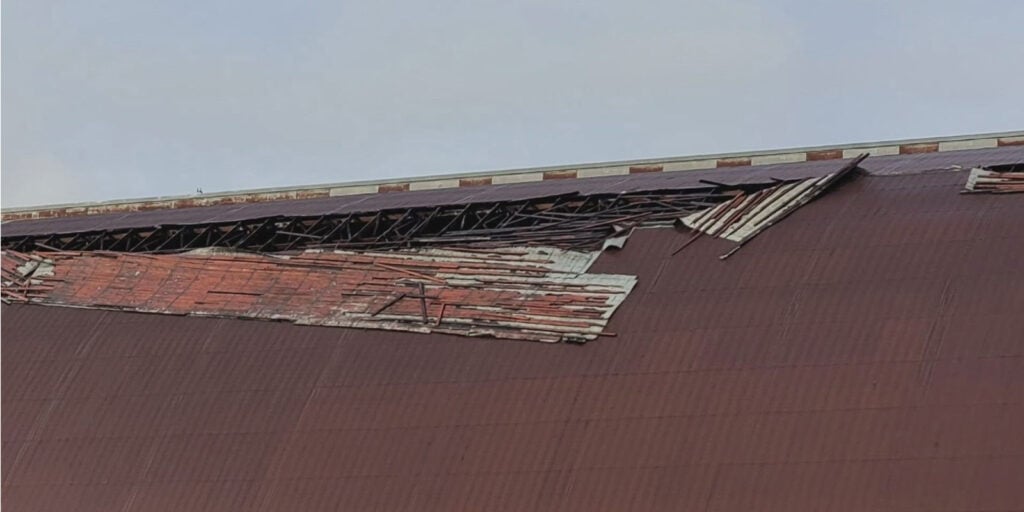
When the storms of late 2025 tore open the roof of one of America’s last surviving World War II blimp hangars, it left the historic structure in urgent need of repairs. While the Port of Tillamook Bay has pursued state and federal assistance, officials say that if the hangar is to be repaired public donations will also be necessary.
Private fundraising is particularly important because any FEMA assistance will require a local funding match of 25%. According to the museum’s fundraising partner, Friends of the Tillamook Air Museum, repairing the damaged roof alone is expected to cost nearly $5 million.
Providing a Unique Home for Aviation History
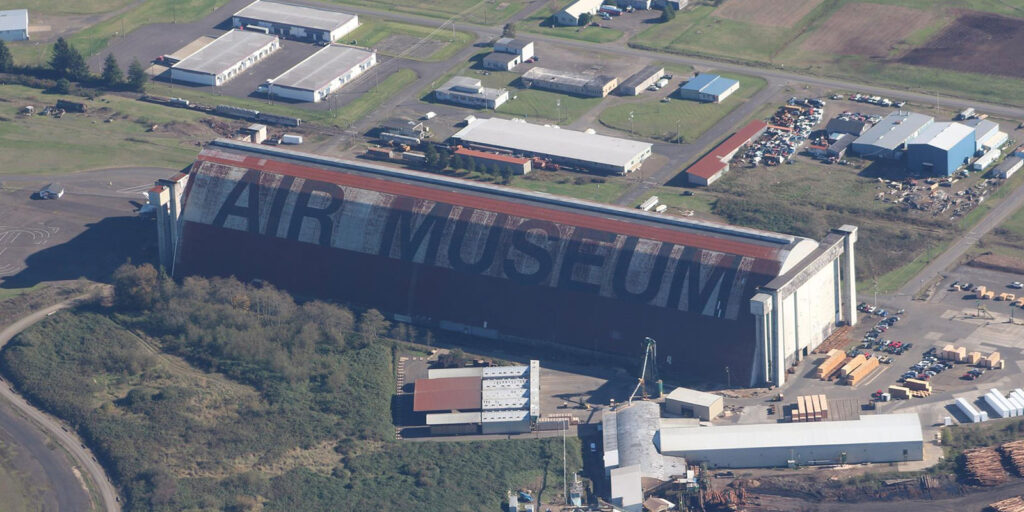
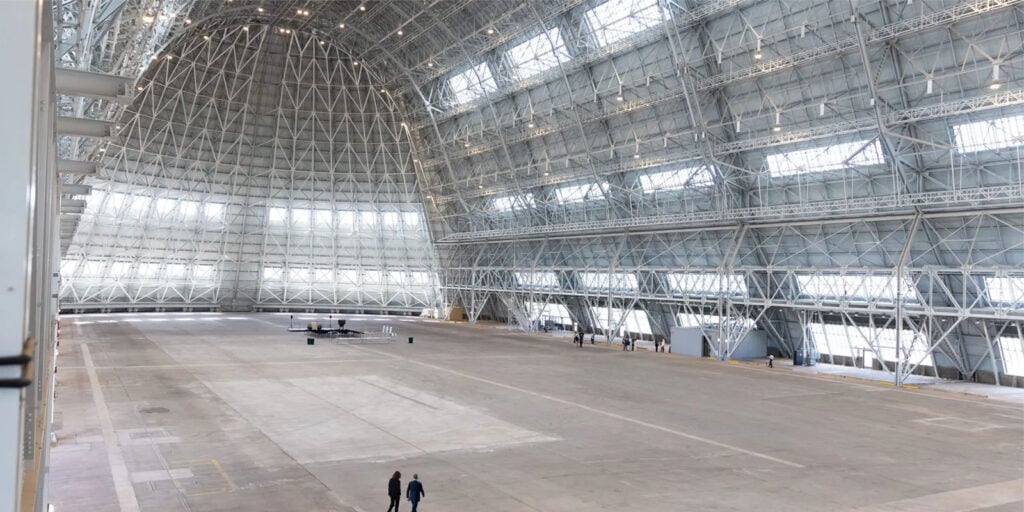
Although the building is home to an extensive collection of historic aircraft and aviation artifacts, the museum’s most remarkable exhibit is arguably the hangar itself. Built in 1943, the cavernous structure ranks among the largest clear-span wooden structures ever constructed, and is listed on the National Register of Historic Places.
The Tillamook Air Museum in Oregon has been closed since powerful storms struck. Museum curator Christian Gurling told Oregon Television Station KGW that the storm damage has placed the collection at risk, including the rare F-14 Tomcat aircraft that appeared in the 1986 film Top Gun.
A Colossal Structure Worth Protecting
Built by the U.S. Navy in 1943, Hangar B was designed to shelter the enormous blimps that patrolled the Pacific coast in search of enemy submarines during World War II. The scale of the building remains astonishing: laid flat, its wooden roof structure would cover roughly 12 acres (4.9 ha) and contain enough Douglas fir to build nearly 300 three-bedroom homes.
Originally, the base featured two identical hangars. Hangar A was destroyed by fire in 1992, leaving Hangar B as the only surviving reminder of Naval Air Station Tillamook’s airship era. As the museum notes, the hangar is “more than a building. It is a shared piece of our history.”
How the FEMA Funding Match Works
FEMA Public Assistance funding generally covers a large share of eligible repair costs, while requiring recipients to provide the remainder from non-federal sources. For this project, the museum says the local share is 25 percent. Although officials are still awaiting a determination, donations will help satisfy the required local match if FEMA assistance is approved.
Ways to support the recovery
The museum has provided several ways to contribute, including purchases through its online store, direct donations to its operations and recovery fund, and gifts through the affiliated nonprofit Friends of the Tillamook Air Museum.
Contributions will help address immediate storm damage, support restoration work, and build the local funding match needed to secure federal assistance.
Readers can learn more about the museum’s collection, the history of Hangar B, and the “Save Hangar B” campaign by visiting the museum’s website.
Sources and Further Reading:
Responses