
China’s First Homegrown Airship Pilots Certified as AS700 Program Ramps Up

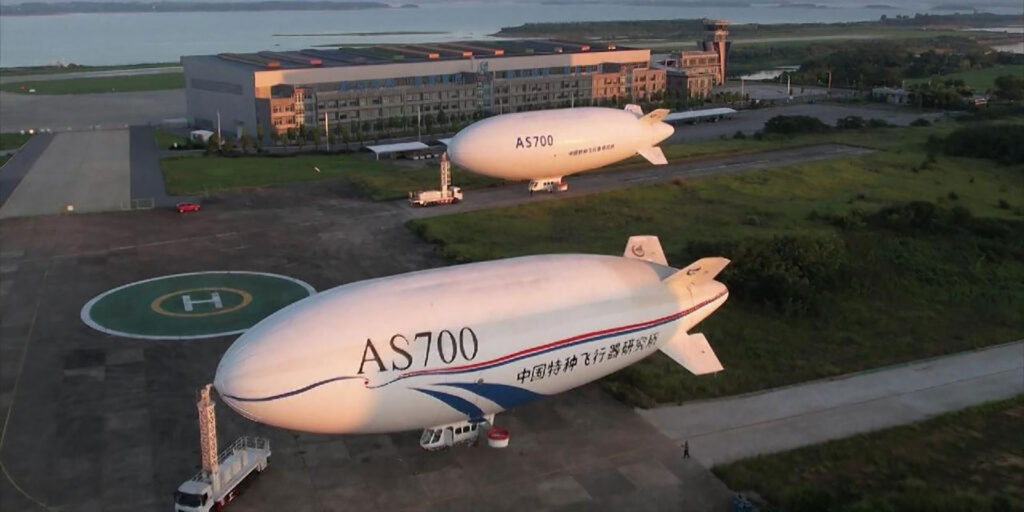
China’s rapidly growing low-altitude airship sector has welcomed its newest licensed pilots, all trained entirely in China on domestically produced airships.
This spring, the Civil Aviation Administration of China (CAAC) issued commercial pilot licenses to four airship pilots, marking the first time both the training and certification process have been completed under a brand-new program.
As China’s airship industry moves toward commercial operations, demand for qualified flight crews is expected to grow. The recently endorsed certification program is intended to help supply dirigible pilots for low-altitude tourism, aerial patrols, and rescue operations.
Opening The Skies to Piloted Airships
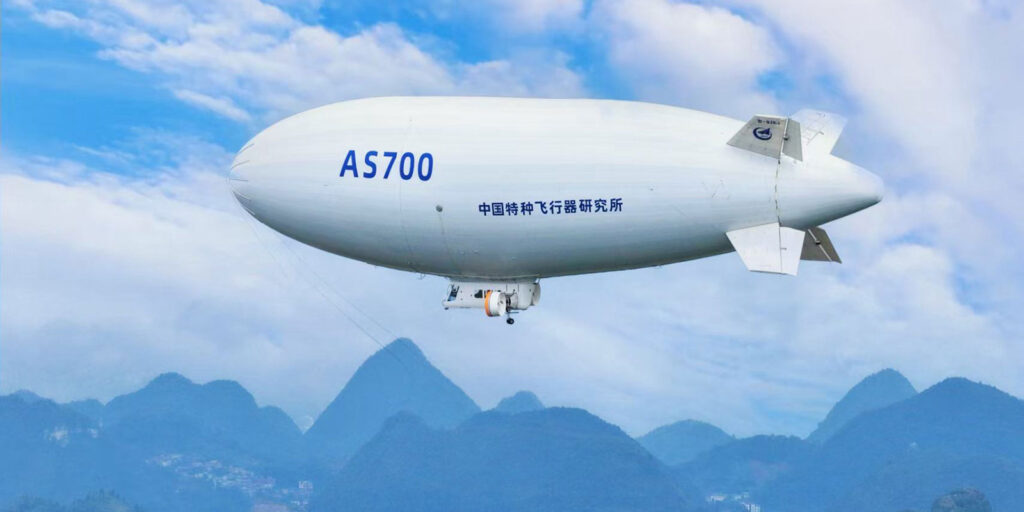
The state-owned Aviation Industry Corporation of China (AVIC) announced the licenses on May 6, calling them a “breakthrough achievement” toward building China’s own airship pilot workforce. The first group of pilots came from AVIC and its client companies, with the goal of operating the aircraft they had been trained on, the AS700 Xiangyun, a non-rigid airship.
At the end of 2025, the AS700 became the first Chinese-built manned airship to receive both a type certificate and a production certificate, clearing the way for aircraft-specific pilot certification. The lighter-than-air platform has a maximum takeoff weight of about 9,150 lb (4,150 kg), a range of roughly 435 mi (700 km), and an endurance of up to 10 hours.
China classifies airships as part of its “low-altitude economy,” a government term describing aviation activities generally conducted below 1,000 m (3,281 ft), and in some cases up to 3,000 m (9,843 ft). Although the AS700 is primarily intended for low-altitude tourism, it is also expected to support a wide range of civil applications within the label of the low altitude economy.
Getting the Training Program and Certification off the Ground
The training program was developed by the China Special Aero-Vehicle Research Institute (CSAVRI), an AVIC research institute specializing in unconventional aircraft, including amphibious aircraft and lighter-than-air vehicles.
The four pilots completed a CAAC-approved syllabus covering classroom instruction, simulator sessions, and hands-on flight training, according to AVIC. Before sitting their final examination, they logged more than 400 take offs and landings aboard the AS700.
Meeting the Demand for Trained Pilots
According to AVIC, 44 orders have already been secured for the AS700. Assuming each aircraft requires two to three qualified pilots for regular operations, those orders alone translate into demand for nearly 100 certified pilots—a figure AVIC expects to grow as China’s airship sector continues to expand.
To meet that demand, the AS700’s developer plans to establish China’s first dedicated airship flight school, build a standardized training system, and expand both pilot and instructor programs.
Implications Beyond China
Commercial airship pilot training remains limited not only in Asia, but around the world. China’s effort to develop training infrastructure alongside aircraft production reflects a strategy of developing qualified flight crews in tandem with the aircraft themselves, rather than implementing training as a later requirement. The company plans to expand the program by establishing standardized training systems and dedicated airship flight schools.
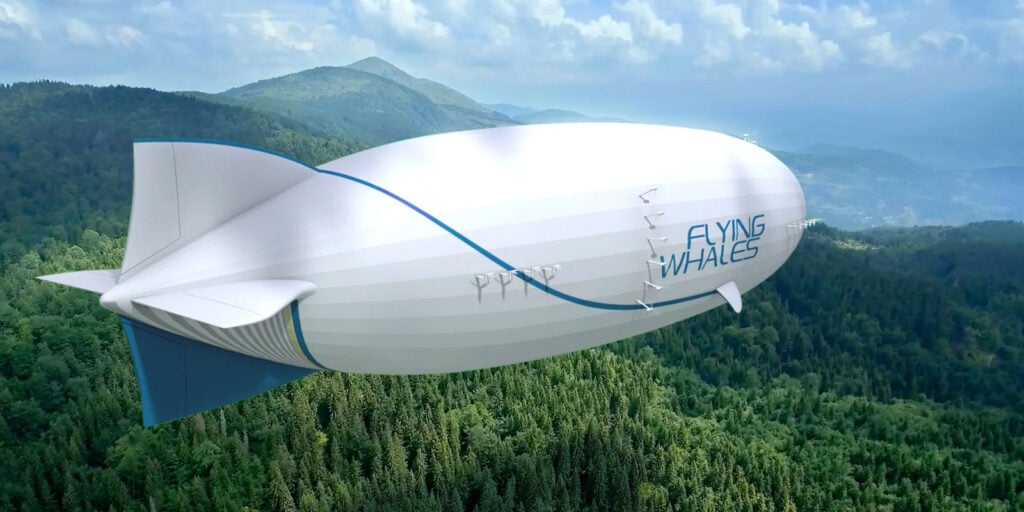
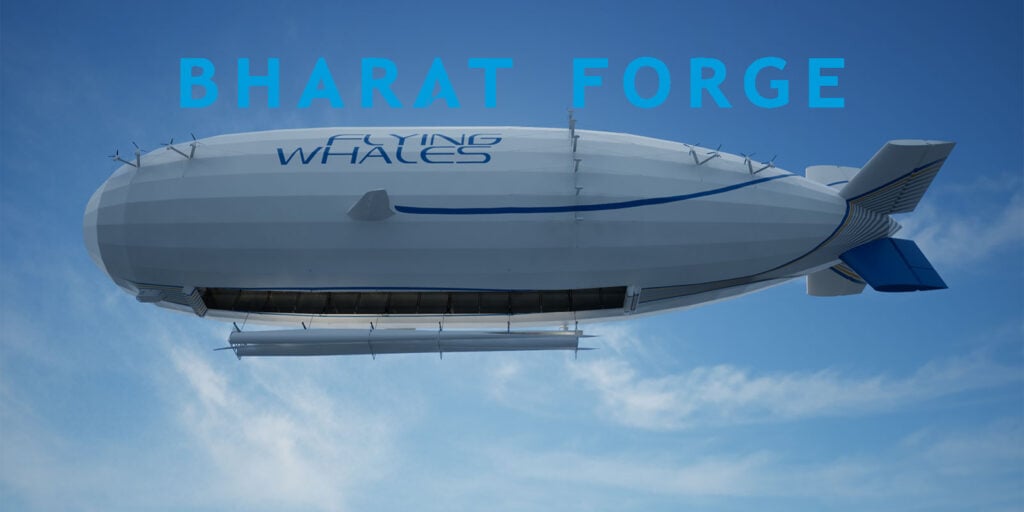
Because there are few dedicated airship training organizations worldwide, most commercial pilots are trained through manufacturer or operator programs approved by their national civil aviation authorities. France’s Flying Whales is one company pursuing a similar approach, having recently announced plans to develop its own airship pilot training program.
For China’s emerging airship industry, certifying its first domestically trained pilots marks another milestone toward building a complete commercial ecosystem—one that includes not only aircraft production, but also the people trained to fly them.
Sources and Further Reading:
- China’s airship ambitions progress as first commercial pilots certified at home (South China Morning Post)
- China certifies first batch of homegrown airship pilots for commercial service (People’s Daily Online / Xinhua)
- Chinese aviation regulator issues licenses for pilots to fly home-made airships (Global Times)
- AVIC AS700 Airship (background specifications)
- China’s AS700 “Xiangyun” Manned Airship Enters Mass Production (China Minutes)


Responses