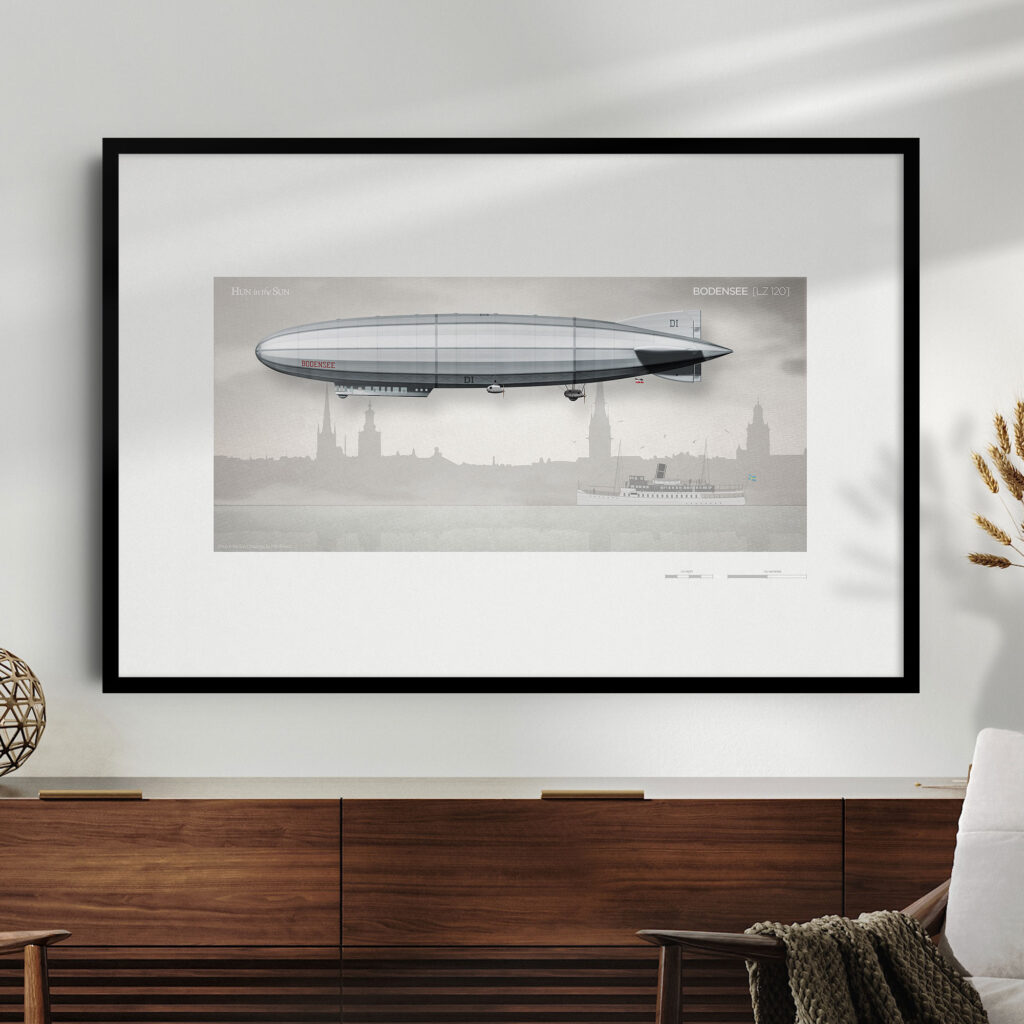
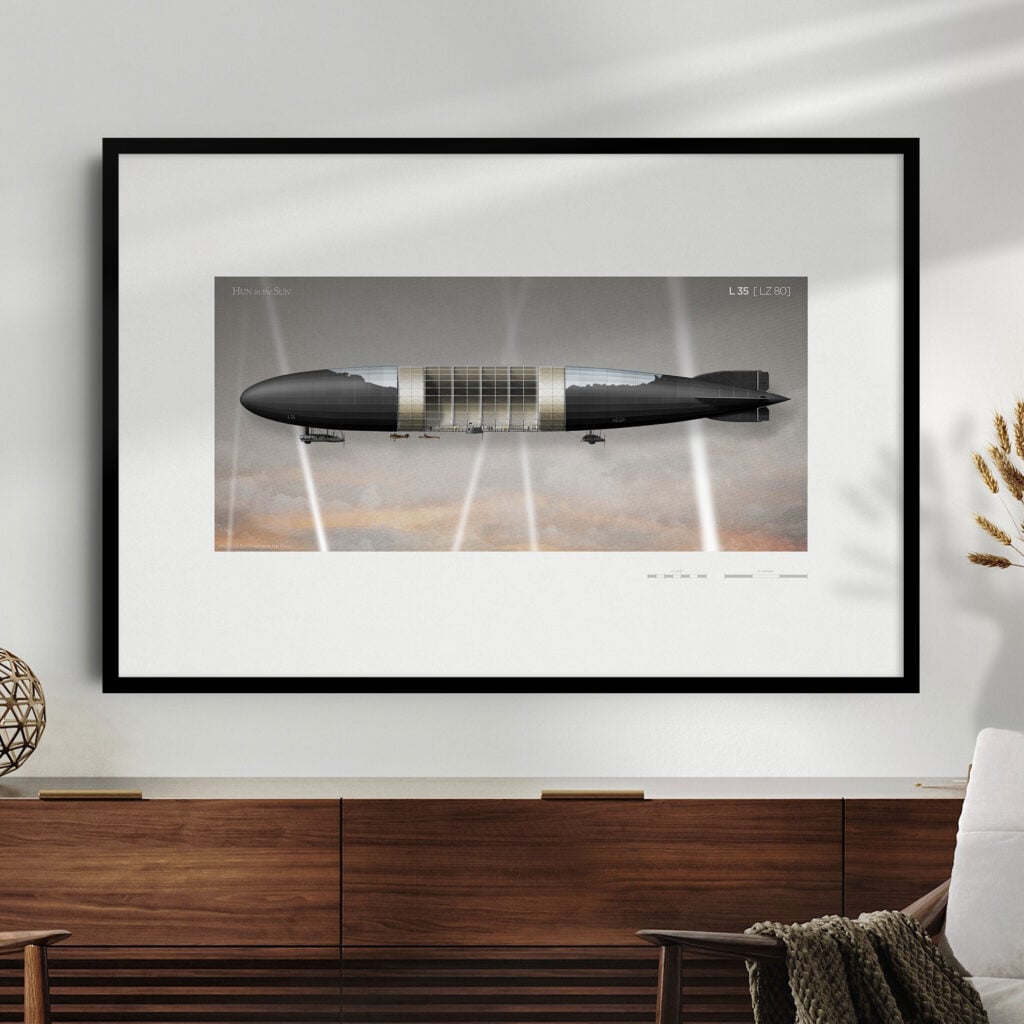
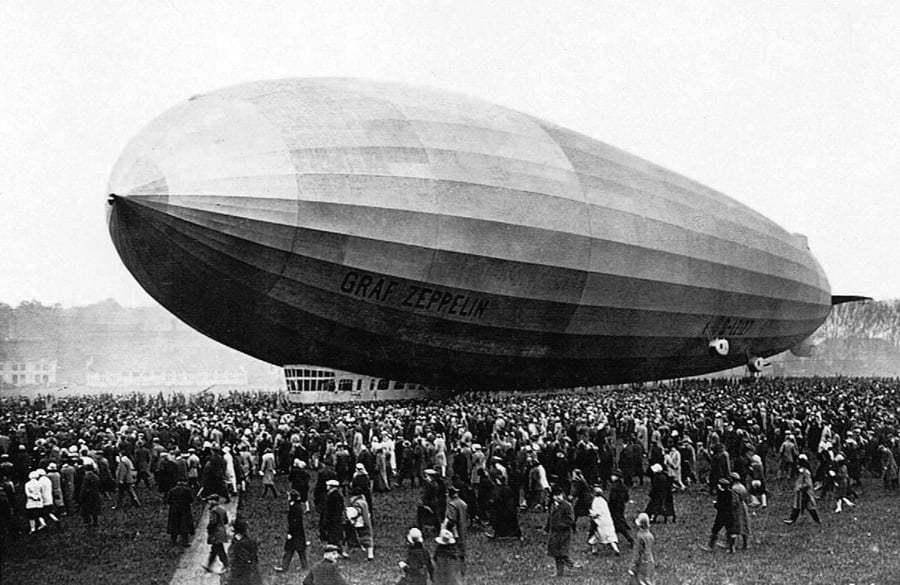
The Graf Zeppelin (LZ 127) stands as one of the most significant achievements in the history of aviation. Built in Germany during the interwar period, this rigid airship demonstrated the practical potential of long-distance lighter-than-air travel. Through a combination of advanced engineering, careful operation, and ambitious route planning, it established a record of reliability and range that few aircraft of its time could match. It is often regarded as the most successful commercial airship ever constructed.

Origins of Greatness: Vision, Engineering, and National Context
The development of the Graf Zeppelin was rooted in the earlier work of Count Ferdinand von Zeppelin and carried forward by his protégé, Hugo Eckener. Eckener was arguably the most skilled airship captain in the world and then leader of Luftschiffbau Zeppelin Company in Friedrichshafen. After World War I, Germany faced restrictions that limited aviation development, but Eckener was instrumental in reviving Zeppelin construction as both a technological endeavor and a symbol of national recovery.
Completed in 1928, the Graf Zeppelin (named for Count Zeppelin) was designed for long-range passenger and mail service. It represented the refinement of decades of experimentation with rigid airship structures, propulsion systems, and navigation techniques.
Key Specifications of the Graf Zeppelin
- Length: 776 feet (236.6 meters)
- Diameter: 100 feet (30.5 meters)
- Gas Volume: approximately 3.7 million cubic feet (105,000 m³) Hydrogen + Blau Gas Fuel
- Engines: 5 Maybach VL-2 12-cylinder engines
- Cruising Speed: approximately 72 mph (116 km/h)
- Maximum Speed: approximately 80 mph (128 km/h)
- Range: over 6,200 miles (10,000 km)
- Passenger Capacity: ~ 20 passengers
These specifications enabled the Graf Zeppelin to undertake extended journeys, including transatlantic crossings and multi-leg international flights.
Passenger Experience and Onboard Environment
Compared to early fixed-wing aircraft, the Graf Zeppelin offered a more stable and less physically demanding travel experience. The airship’s large size allowed for designated passenger areas, including sleeping cabins, a dining space, and a lounge. Large windows provided continuous visibility of the landscape below, which was a defining feature of airship travel.
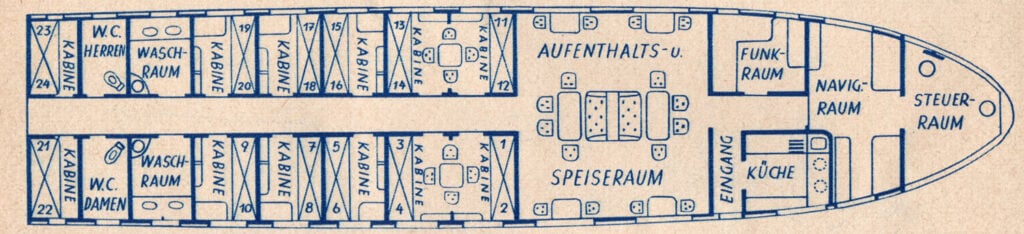
Flights were conducted at relatively low altitudes compared to modern aircraft, allowing passengers to observe geographic features and urban areas in detail. While not luxurious by modern standards, the accommodations were considered comfortable for the time and reflected an effort to make long-distance air travel more accessible and practical.
The 1929 Round-the-World Flight
One of its most notable achievements was the 1929 circumnavigation of the globe. Supported in part by American publisher William Randolph Hearst, the journey began and ended in Lakehurst, New Jersey, with intermediate stops in Friedrichshafen, Tokyo, and Los Angeles.
Distance covered: approximately 21,000 miles (34,000 km)
Total flight time: about 12 days in the air




A particularly significant leg of this was the nonstop transpacific flight from Tokyo to Los Angeles. Covering thousands of miles over open ocean without landing, this segment represented the first nonstop crossing of the Pacific Ocean by air and one of the longest continuous flights ever completed at the time. It demonstrated both the endurance of the Graf Zeppelin and the growing confidence in long-range aerial navigation.
This global journey demonstrated the feasibility of sustained intercontinental airship travel and attracted significant international attention.
Scientific Expedition: The 1931 Arctic Flight
In 1931, the Graf Zeppelin undertook a scientific expedition to the Arctic, including a flight over the North Pole. This mission was organized in cooperation with international scientific institutions and was intended to gather meteorological, magnetic, and geographic data in a region that remained difficult to access.
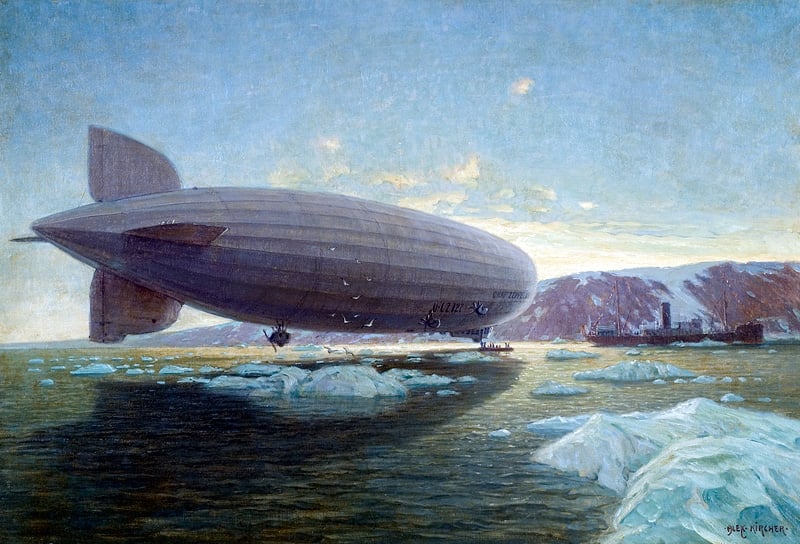
The airship departed from Friedrichshafen and traveled northward, eventually reaching the polar region. During the flight, scientists conducted observations and measurements that contributed to a better understanding of Arctic conditions.
The use of an airship for this purpose offered several advantages:
- The ability to remain airborne for extended periods
- Stable flight conditions suitable for scientific observation
- The capacity to carry equipment and personnel over remote areas
The Arctic expedition highlighted the versatility of the Graf Zeppelin, demonstrating that it could serve not only as a passenger transport but also as a platform for exploration and research.
Regular Transatlantic and South American Service
Starting in October of 1928 the Graf Zeppelin established regular routes between Germany and both North and South America. Its service to Brazil became especially important, offering a faster alternative to maritime travel and contributing to the development of international airmail networks.
These operations helped demonstrate that airships could function as part of a structured commercial transportation system rather than as purely experimental or promotional vehicles.

Engineering and Operational Reliability
Although the Graf Zeppelin used hydrogen for lift, it maintained a strong safety record throughout its operational life. Its design incorporated multiple gas cells and a robust structural framework, while flight crews followed conservative operating procedures.
Key factors contributing to its reliability included:
- Careful route planning and weather assessment
- Experienced crew and disciplined operational protocols
- Ongoing maintenance and technical oversight
While the risks associated with hydrogen were always present, the Graf Zeppelin’s operational history showed that such airships could be managed effectively under controlled conditions.
Retirement and the End of Passenger Airship Service
The Graf Zeppelin was retired in 1937, following the destruction of the Hindenburg. Although the Graf Zeppelin itself had operated without major incident, public confidence in hydrogen-filled airships declined sharply after the disaster.
As a result, continued passenger service was no longer considered viable. The airship was dismantled in 1940, bringing an end to its service and marking the broader decline of rigid airship travel.
Overall Flight Record and Historical Significance
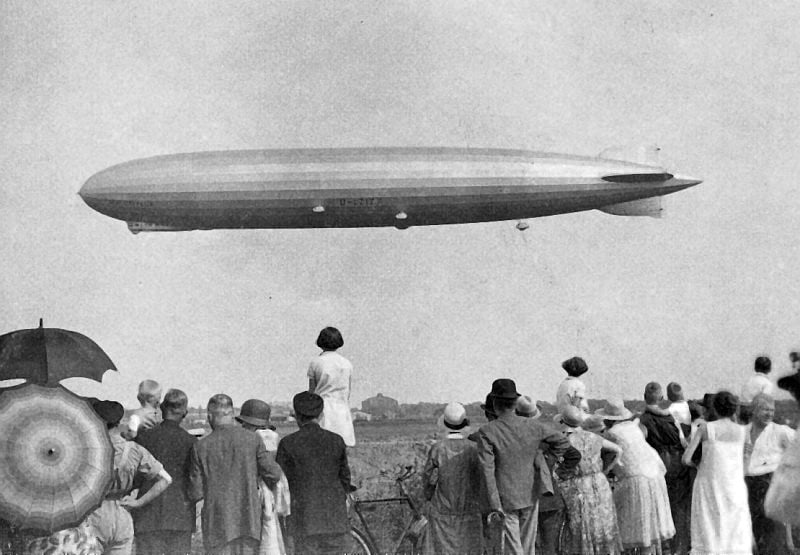
Over the course of its operational life, the Graf Zeppelin completed 590 flights and traveled more than one million miles. It carried over 13,000 passengers in addition to significant volumes of mail and cargo. Notably, it achieved all of this without a single catastrophic crash or loss of the airship.
This record is particularly striking when considered in the context of early aviation, where mechanical failures, weather-related incidents, and navigational challenges were far more common. The Graf Zeppelin’s consistent performance over nearly a decade of service reflected a high level of engineering maturity and operational discipline.
Its ability to maintain regular international routes, complete ambitious long-distance flights, and support scientific missions underscores the breadth of its capabilities. While later events overshadowed the airship era, the operational history of the Graf Zeppelin remains a strong example of what was achievable with lighter-than-air technology under careful management.
Why the Graf Zeppelin Still Draws Interest
The Graf Zeppelin occupies a distinct place in aviation history as a practical and well-documented example of large-scale airship operation. Its combination of engineering capability, operational success, and global reach continues to attract attention from historians, engineers, and enthusiasts.
Rather than representing an unrealized concept, the Graf Zeppelin stands as evidence that a different model of air travel once functioned effectively. Its record of sustained, incident-free operation over long distances remains one of the more notable accomplishments of early aviation.